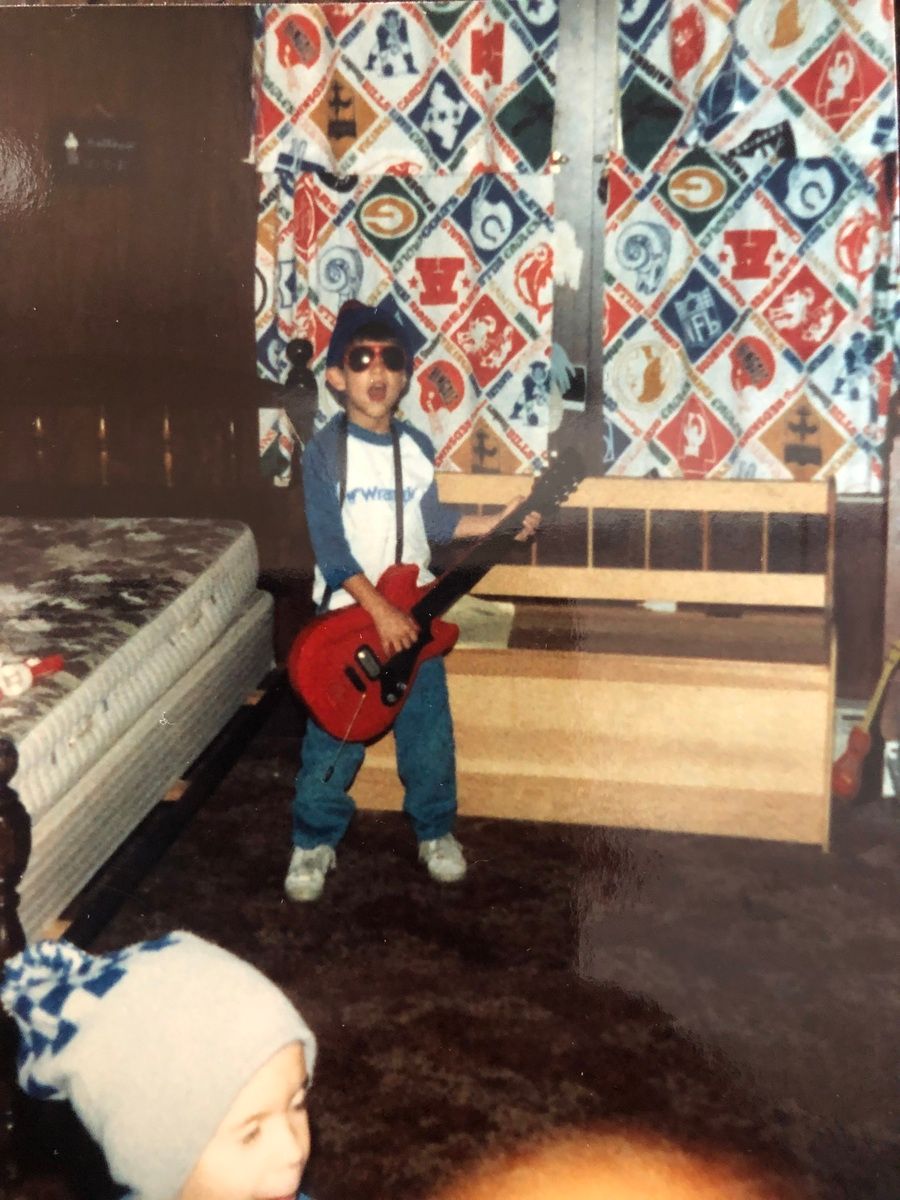
When you do something creative, for the most part, it’s just you and the thing. You sit down, you get focused, you produce some output that you think is cool, and that’s kind of it.
When you’re done you share it with the world and then they judge it.
Sometimes it catches, sometimes it flops.
But if it catches, and I mean even a little, you might want or need or be tempted to magnify the catch. You’ve got wind in your sails! You don’t want to waste that, especially if it’s a trade wind out of your current spot.
You write a social media post or a blog entry or show up on a panel or podcast that catapults you into a new sphere of awareness.
That kind of thing. It can change your life. I’ve seen it happen.
So now creativity has created something and the possibility of celebrity enters the equation.
We all know what celebrities are.
Well, we know WHO they are. I think a lot of us don’t understand how celebrities exist.
I’ve got a lot of creative friends who want to create, want to get recognized, but don’t want celebrity. I get it. I also deeply understand sell-out psychology and the internal struggle with self-promotion. It’s extra real for my 35-55 year old (ish) friends.
And that’s what brings me to Trevor McFedries work. I think he explains a tough of stuff I can only intuit. He’s been in hardcore bands and done viral social media stuff and thought through all of this more than most.
McFedries’ has a line that (paraphrasing) “Celebrities are a team sport, but only players connected to the biggest names win.” Which means you have a team, or even teams of teams around an identity that we associate with the term celebrity, and they collectively capture the creative value of celebrity.
That’s a mouthful. (Or, fingerfull?).
It gets at the ecosystem of celebrity. Which isn’t different from the ecosystem of creativity. But it’s kinda sorta at the opposite end of the continuum from what you do by yourself and what you do in and with the world.
Think about an artist’s manager.
The kind you know in real life or from movies. You can even think of a Jerry Maguire type (trying to speak to that demographic mentioned above). They’re the people who help with all the logistical realities of fame, usually for a percentage, and therefore they’re part of the team approach to retaining celebrity status.
What McFedries pushes even further, however, is how there can be an awareness between the creator and the celebrity apparatus that self-reinforces on more than one scale.
Like, multiple scales. It's what McFedries pushes even farther when I hear him talk about this. How it all exists and scales simultaneously so why not make sure you’re aware straight out the gate?
It makes me think - for all the creator and creative and authenticity talk, we’re not talking enough about celebrity and what might be the need to reframe the cultural cache of that word.
One person in their bedroom can, conceivably, create cultural value and do something that makes them famous. That’s the continuum aspect. Individual to ecosystem.
Maybe, with some kinda AI bots and vibe-coded sorcery they can preserve it without a full on human ecosystem, but more than likely the creator person is going to need a team around them and their newfound celebrity once they’ve arrived.
There’s platforms, capital/funding, networks, media, PR - and it’s mostly invisible most of the time. It’s a whole ecosystem that’s always there, wanting and waiting. There are just methods to utilizing them.
Again, at different levels - because we aren't exclusively talking about mainstream celebrity here. In this case, celebrity doesn’t have to mean super-famous to involve all of these players at all. It only means “somebody knows, they care to know, and they care to tell someone else they should know.”
It can just mean awareness of an idea with cultural value that doesn’t even need to have been monetized.
It helps if you can see the ecosystem from the get go. Even when you're an individual creating, in the quiet confines of your bedroom, basement, or corner of the internet.
The cool kids at the bus stop fit this mold. So does the best sales team in an organization. It’s all about the awareness in between who creates value, who captures it, and how the network works together.
Whatever you’re working on, you need to also think about who you’re working it on with. The bandmates, co-creators, collaborators, etc., et. al.
And, equally, you need to think about the audience that gathers around you, who they are, and why they’re there. They’re a part of the ecosystem, too.
What’s the upshot, to the degree you care, from any of the individuals involved? Also, what’s the downside? You can mentally and emotionally, or vibe-codingly graph what’s happening here.
At all the levels, listening to Trevor makes me feel like I’m putting bands together again. Or, more straightforward, booking all ages shows in high school. It really makes me feel like it’s punk rock economics, all the way down, and the most important thing I can do is not forget it and keep reminding my friends that it still plays.
I know people are still hung up on creativity and authenticity as the gold standard.
This site and my whole personal brand is called Cultish Creative after all.
But this celebrity detail, of all the behind the scenes peoples and connections, how they Voltron into an ecosystem from the jump - it feels more powerful than ever, and Trevor just helped frame why in my head.
h/t Jason B. for making sure I saw this one, and keeping good notes to figure out I ran into Trevor back in 2020 on Masters of Scale, too (still a great episode!)
