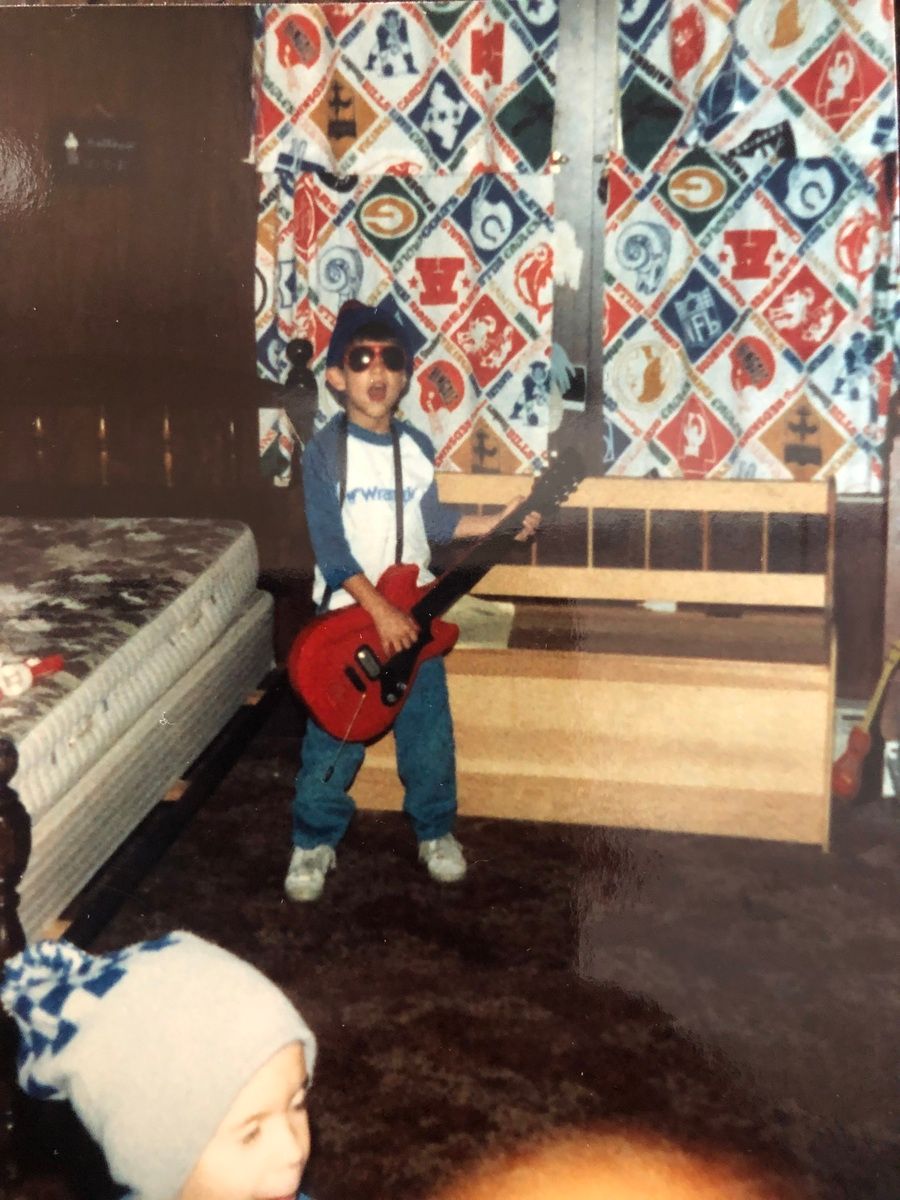
Practicing sucks. It's choosing to do something over, and over, and over again in pursuit of some amount of improvement, all while there are so many other things you could be doing. And not even better or more productive things, just anything else except practicing for the 2nd or 15,000th time.
Understanding the distraction point, which as a person with self-diagnosed ADHD I'm going to call this out as unprofessionally as I can, is the secret to good practice.
It makes me think of the art of practice as a market.
An internal market. For attention.
Practice is an internal attention market.
At any and every point of time when you’re sitting to practice - other stuff wants your attention, and this suck-factor is the reality of what make practice, and incremental improvement, worth it.
At college we had pretty good “practice rooms” in the music building. They weren’t great. Mostly because sound bled through in some echoey cacophony of everybody else practicing.
You’d sit to practice and hear Brad shedding “Eternal Triangle" and think - I can’t do that, and sure, I'm not a jazz major either but what’s a Music Ed major going to do with chops like that when he’s in front of a bunch of middle schoolers at band practice? This whole degree is an evil plot. And who’s that that doing french horn runs that sound so impossible, or who could possibly be trying to get their wrist technique down on the xylophone in the percussion room and failing that badly - I think I could do better. How can a person focus in here?!
The reality was you couldn’t focus. You could drift into the hall. You could putz around, You could befriend the drunk janitor or do all sorts of pre-cellphone era stupidity with randos under the stairs laughing about who even drinks Fresca but thinking how you kinda like Fresca.
The attention market works like this. There are competing forces that all want to win your attention. The key to practice lays in those practice rooms, which as loud as they were, were also beige-painted cinderblock distractionless prison cells that made everything but practicing pointless.
You couldn’t even take a nap because of the lights. They buzzed and were too bright. All you could do was practice or leave.
So you rigged the internal attention market, whenever you could, and you hit the shed.
The payoff for practice is you accumulate internal status points with yourself. You know you got better.
Once in a while you’d perform. Maybe in front of peers, maybe in front of friends, maybe just to your teacher in a lesson. But that’s not practice any more. Performance is an external status game. Somebody else is involved. They get to weigh in with approval or corrections or awkward shame.
If practice is an internal attention market, performance is an external attention market.
Both have everything to do with status adjustment too. When you practice you raise your internal status over time. When you perform you raise your external status over time. You really can’t have one without the other.
I trace those practice room (and stage) lessons to today, and I’m doing it a lot lately.
I didn’t put all the time in for nothing. I mean, I didn’t get anything out of it - it took me forever to pay off my student loans, but mostly I had some fun and then life did lifey things. But what I’m trying to say is that experience is still inside me.
Anything you’ve practiced, whether it's an instrument or you just got really good at a video game, you've acquired some internal status and the surplus is still inside you, like an asset earned out of a market.
I can apply this to today. To me, at least. You might see yourself in this (and I bet you do if you're reading this).
These Cultish Creative posts are a form of practice into performance. Every one is a writing practice session in my head. Then I click share and it’s off and into the world. Internal status and attention victory, turned external status and attention exercise (if I had a million readers, I don’t know if it’d feel different than I do with… let’s just say far, far less).
But in the same way I could sit in the beige-cinder block cell of a practice room for hours in college, I can sit at this computer and tap out complete thoughts with an earned awareness for how to focus my attention. And that's a superpower in this day in age.
I am positive that you’ve learned to practice something too. You've learned how to rig that internal attention market for your advantage. The skillsets there, even if you haven’t dusted it off lately. And even if you haven't, even if nothing you can think of feels like practice in your personal history, I wanted to give you these words so you can try it out, now.
Start with attention. Move to practice. Notice the status boost.
When you’re ready, share the work and perform it. See what attention it does or don’t get. Notice the status not moving, or even increasing with reception.
All the games, all the things worth doing in life, revert to this.
Your attention is your most valuable asset.
Your ability to practice is representative of your control over your attention.
Your ability to perform what you’ve practiced is all you have to hold the attention of others.
Thanks practice.
