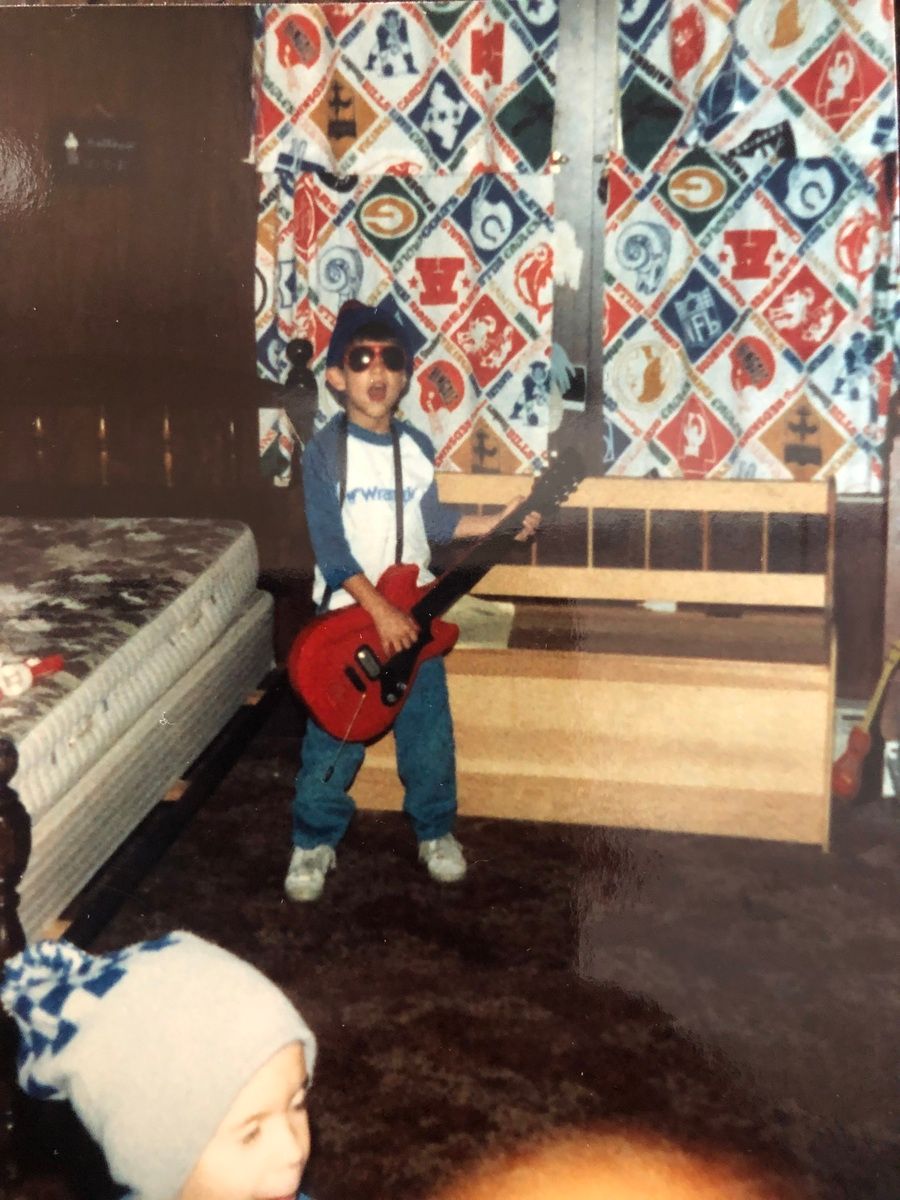
We are the sons of no one / bastards of young.
That rejected adult children of our own youth idea probably has haunted me since I heard “Bastards of Young” sometime in the 90s (yes, I was late, but I was also in diapers when the original came out).
Sometime in my high school years, when i had gotten pretty obsessed with whatever Replacements tapes and then CDs - and then, god bless those Rhino reissues that came out in the early 2000s - I realized they were a key step before tons of the music I loved. Them and the Pixies, really, because they had one foot in punk, another foot in pop, maybe a hand in proto-punk, and then on the Twister mat that is musical life, an elbow on the late-boomer/gen-x values that resonated most with early-80s-born me.
We think we’re born into a petri dish, but it’s really raw, fully inhabited dirt where all this culture is attached to us from the moment we start paying attention.
Those bands are always with me as part of my connective realization experience. They helped answer so many of the “but who were they listening to” questions about the grungy and punky stuff that took over my early 90s life. And then, as a metaphor, being a blues dork slow turning jazz nerd, I could see all sorts of other connections like that, too, and it’s remained an obsession of mine that will remain an obsession of mine.
And that line - “We are the sons of no one / bastards of young” - it means everything and nothing all at once. It’s so arrogant. To think you’re the daughters and sons of no one, and little more than the rejected byproduct of your own youth, but my god do I feel that rite of passage. You need the arrogance to break through it, almost.
When Joseph Moore and I decided to start finding songs that best explain some aspect of American life, this was not the first song to pop into my head (you know I had a bunch of weird ideas first, I can’t help it), but this was the first song to pop into my head that kept getting more perfect the more I think about it.
For one, I really wanted to explain the music theory of the song to Joseph. It’s an extra angle, and I know most people don’t know these details but only because they didn’t go to college for this stuff, or spend hours and hours of teenage and 20-something life talking to similar nerdy friends about it.
The song has this brilliant musical twist under the lyrics where it’s a major key (“happy”) song, but the downbeat of every verse starts with all the same notes in the scale, but the minor key (“sad”) version - and it helps color the feeling of the words. I play an example in the video. Watch Joseph react, I love showing people this stuff.
And then, purely on the lyrical side - if you don’t feel like a bastard who has to figure out the next step, abandoned by those who came before you, and pretty sure that those ahead of you have nothing direct to offer you, just some poetry and metaphor you’ll have to reimagine, what (really) are you going to do with your life?
My 20s were a slowly unfolding crisis. I listened to this song off and on all throughout. I totally had a copy of Tim on CD in every car I drove for that period. I told myself it wasn’t a crisis, but I had no friggin’ clue about anything except for how badly I also had missed the whole first rung. Gritty and determined though, I was going to figure it out.
Westerberg didn’t stop there, either. He had kept going. And I had kept buying his CDs, too. There was just something so honest about a song like this. About a video like this. That feeling of being 27 and still not knowing. I do think it’s American. I do think you have to get through it.
I’m loving unpacking songs with Joseph. If you haven’t watched our talk yet, I’d love if you would, and extra stay tuned for next week when we start including submissions from people like you.
In my 20s I sort of gave up on music. I internally talked about it, but increasingly less publicly. It wasn’t until my mid-to-late 30s when I started Cultish Creative that I started really putting thoughts out there about music again. This series on Just Press Record, in collaboration with Joseph, and encouraged by Panoptica sort of as a variation on our Stories of America and Epsilon Theory: Unplugged projects, means a lot to me.
I still think like a bastard, sometimes, but I don’t feel like it. I feel all the connections. I’m excited to be excited about them in public, and my goal is to get you a little more excited with the stories, the history, and the occasional guitar-wielding moment, too.
Come check out the Cultish Creative Music Club, on YouTube or wherever you get your podcasts. Our “songs that best describe American life” playlist is officially growing:
